
STEEPED IN HISTORY
Our Story
Our family has been in the Napa Valley since 1865, when some of our ancestors first homesteaded on the west side of the valley on Mt. Veeder.In 1922, our great-uncle William Elkington came to Atlas Peak as part of a project to build a tuberculosis sanitarium, with plans drawn up by architect Julia Morgan — later known for Hearst Castle. The hospital was never built, but the two houses that were finished became a family home, and generations of us have spent summers here ever since.
In 1982, Sharon Setty moved onto the ranch full-time to care for it while working as a groundskeeper at Napa Valley College. There, she was drawn into the college’s new vineyard program, earned her viticulture degree in 1991, and put the first three acres of Cabernet in the ground. Our parents, Daryl and Cecelia Setty, moved to the ranch in 1984 and started clearing for a vineyard of our own in 1989. Michael Setty joined the family operation in 1991, the same year our first vines went in. By 1998, we had grown to about 18 acres of Cabernet Sauvignon.
What started as a bootstrap operation is now a hillside vineyard we’ve tended by hand for nearly four decades.
VINTAGE VINE
The Vineyard
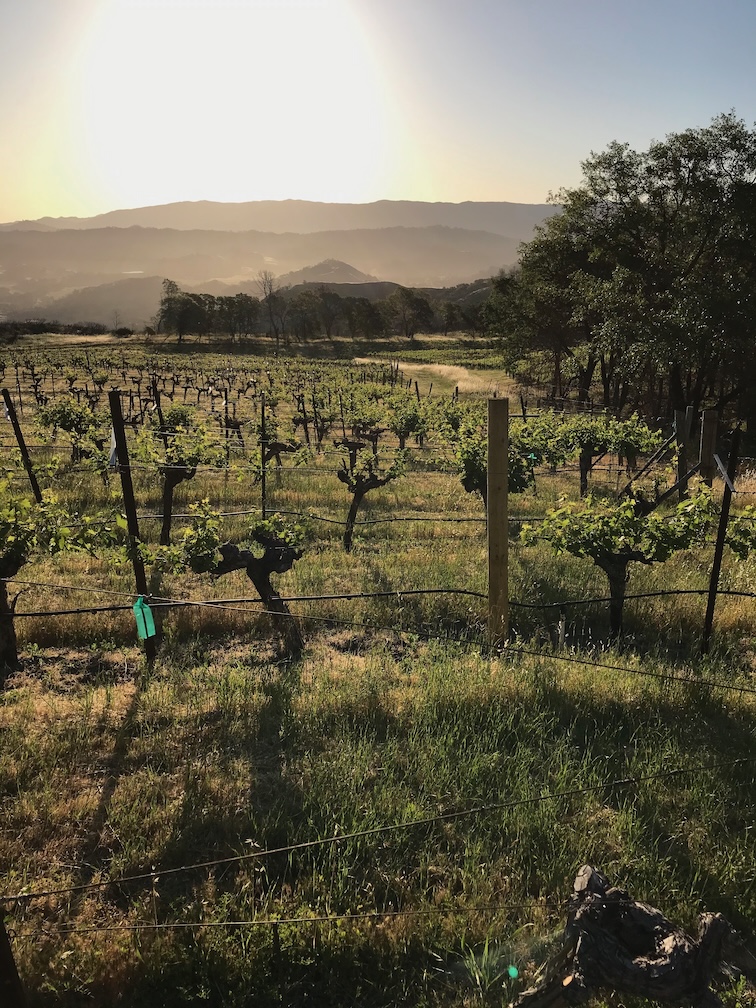
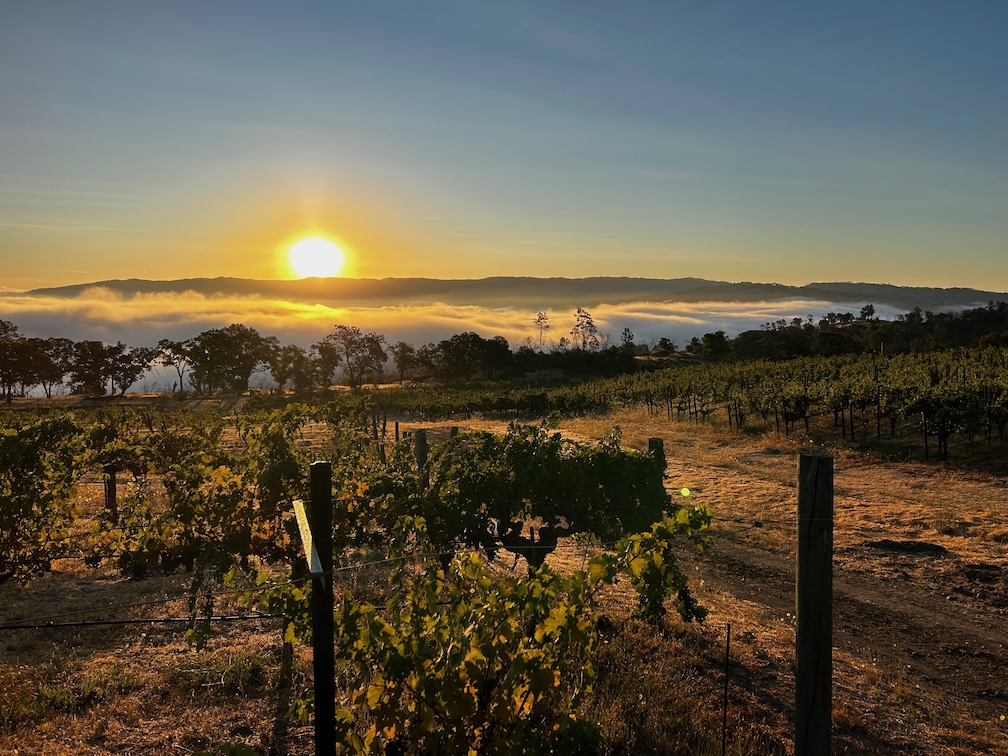
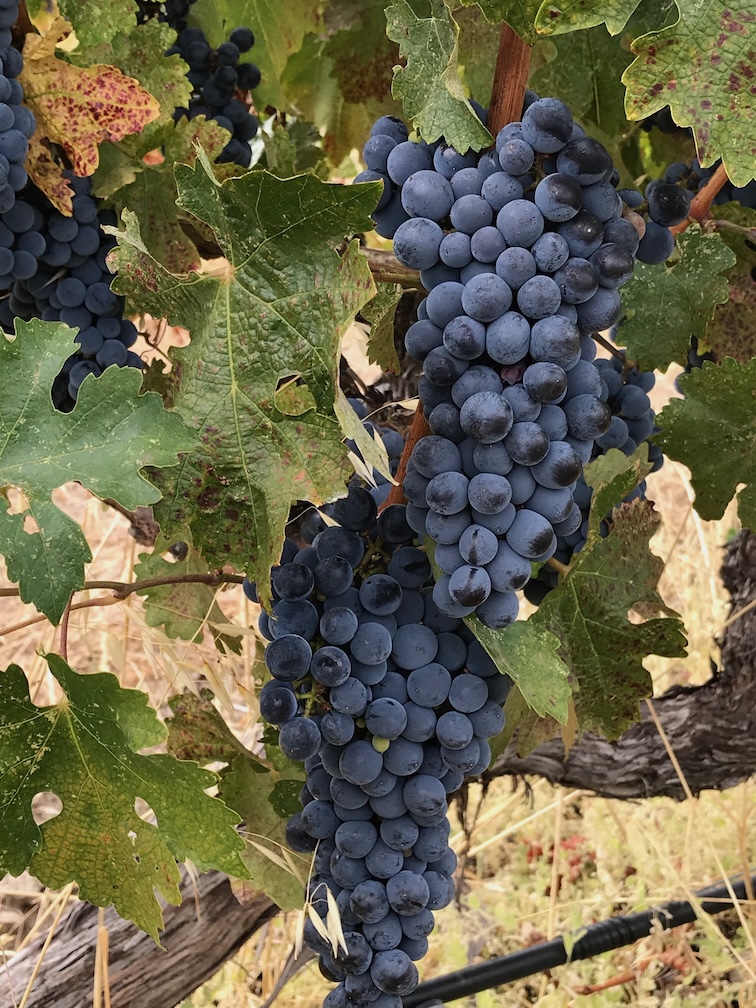
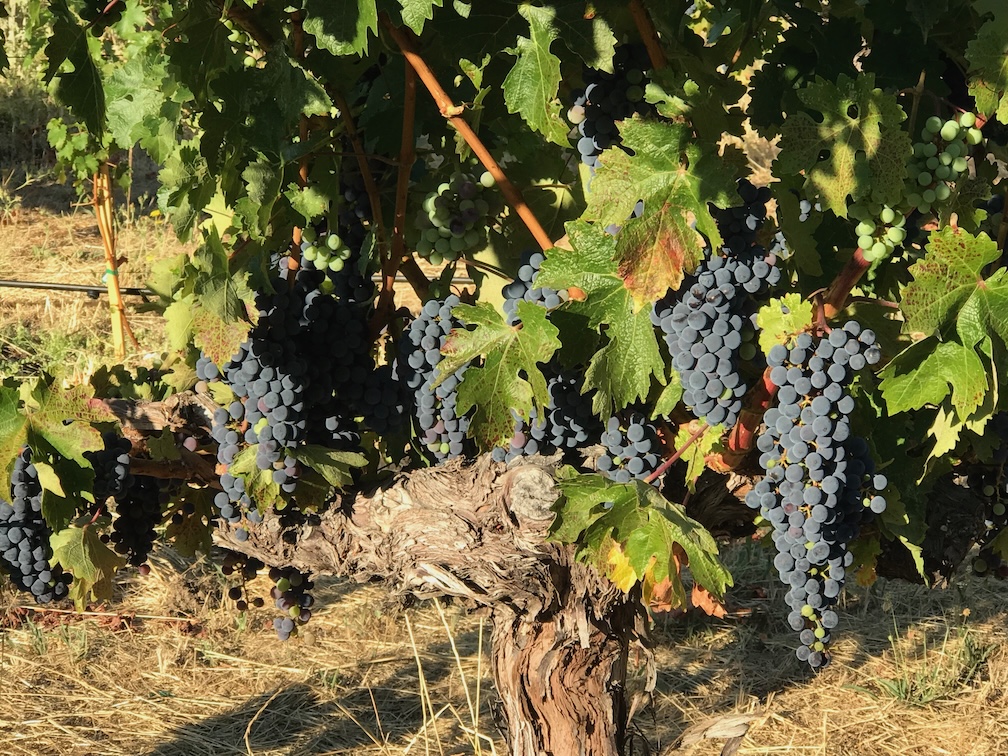
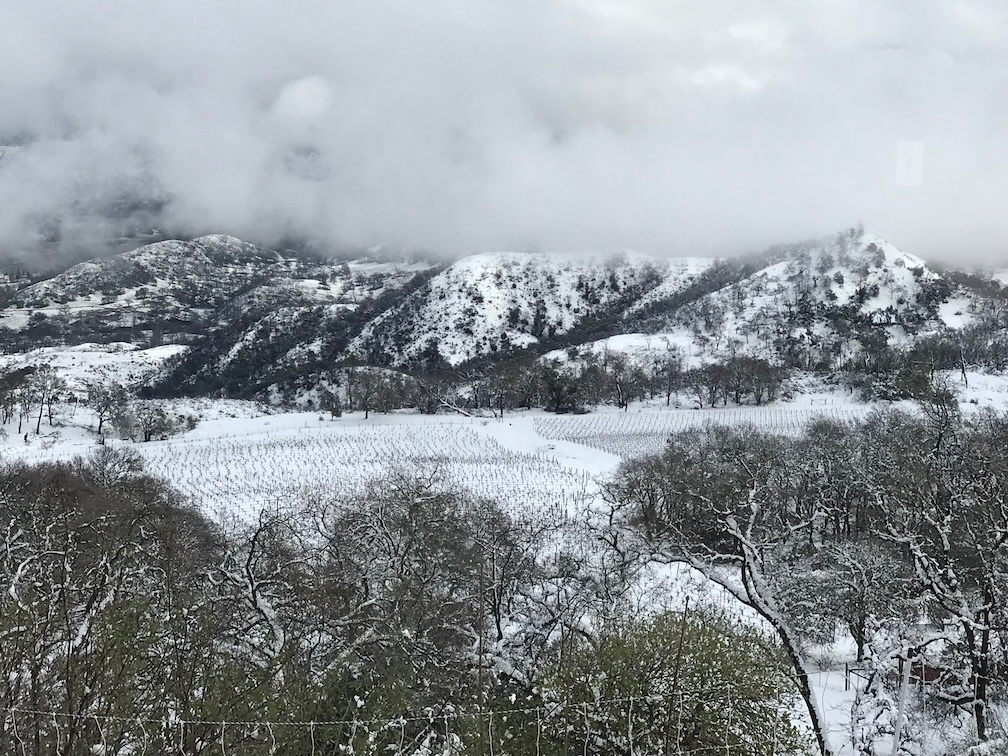
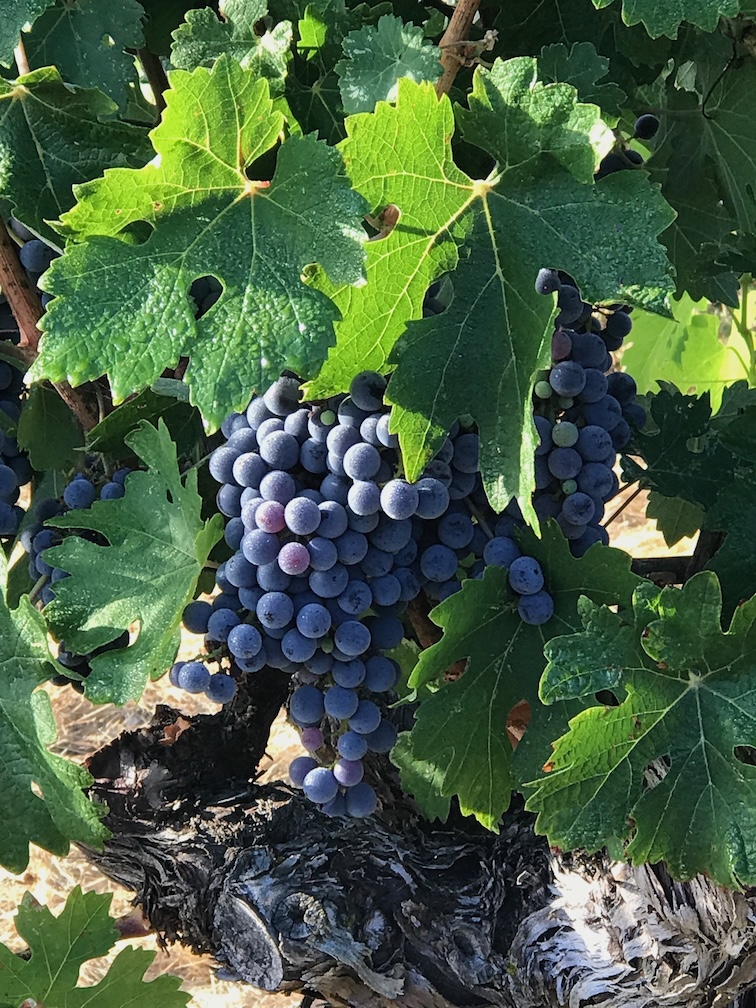
Eighteen acres of Cabernet Sauvignon, planted on 110R rootstock. Our vineyard sits east-facing on Atlas Peak, from about 1,800 feet at the top down to 1,400 feet at the bottom, overlooking Capell Valley.
We farm sustainably: a permanent cover crop between the rows, string trimmers instead of herbicides for weed control.


WHEN ONLY THE VERY BEST WILL DO
Who We Grow For
Our first grape contract was with Stags’ Leap Winery, a relationship that lasted nearly 15 years and produced excellent Cabernet. Since then we’ve sold grapes to wineries large and small, including existing and previous brands:







Here to stay
And Built to Last
The 2017 Atlas Fire took several outbuildings and water tanks but spared our homes. The 2020 Hennessy Fire hit harder — destroying our replacement water tanks and lines, and taking nearly 60% of our vines. We’re rebuilding the way we always have: one section at a time. About a quarter of what we lost has been replanted, and we continue to obtain a quality crop from the many plants that survived the fires.
We’ve always kept a permanent cover crop in the vineyard, and we’ve moved away from herbicides for good — weed control now is string trimmers and time. As we rebuild, we’re looking for wineries who want to grow alongside us.
Get to know us